Our Services

Zinc-nickel coating

Zinc-nickel is the first choice when maximum corrosion resistance and high load-bearing capacity are essential. This zinc-nickel alloy offers significantly better performance than conventional zinc coatings – even under extreme conditions. It provides reliable protection against rust, even with prolonged use and mechanical stress.

With a nickel content of approximately 12–15%, zinc-nickel coatings achieve outstanding resistance in salt spray tests and remain stable even at high temperatures. The process is suitable for steel, cast iron, and aluminum components and is particularly used in connector and fastening technology, where a uniform, conductive, and corrosion-resistant surface is crucial.

Our zinc-nickel coating extends the service life of your components, reduces maintenance intervals and ensures that your products function reliably in the long term – even where conventional coatings have long since reached their limits.

Passivations

After the actual zinc-nickel plating process, the surface is passivated. This thin, chemically produced protective layer stabilizes the coating, improves corrosion protection, and also influences the appearance of the parts.

We offer various passivation options to specifically meet the requirements of our customers:

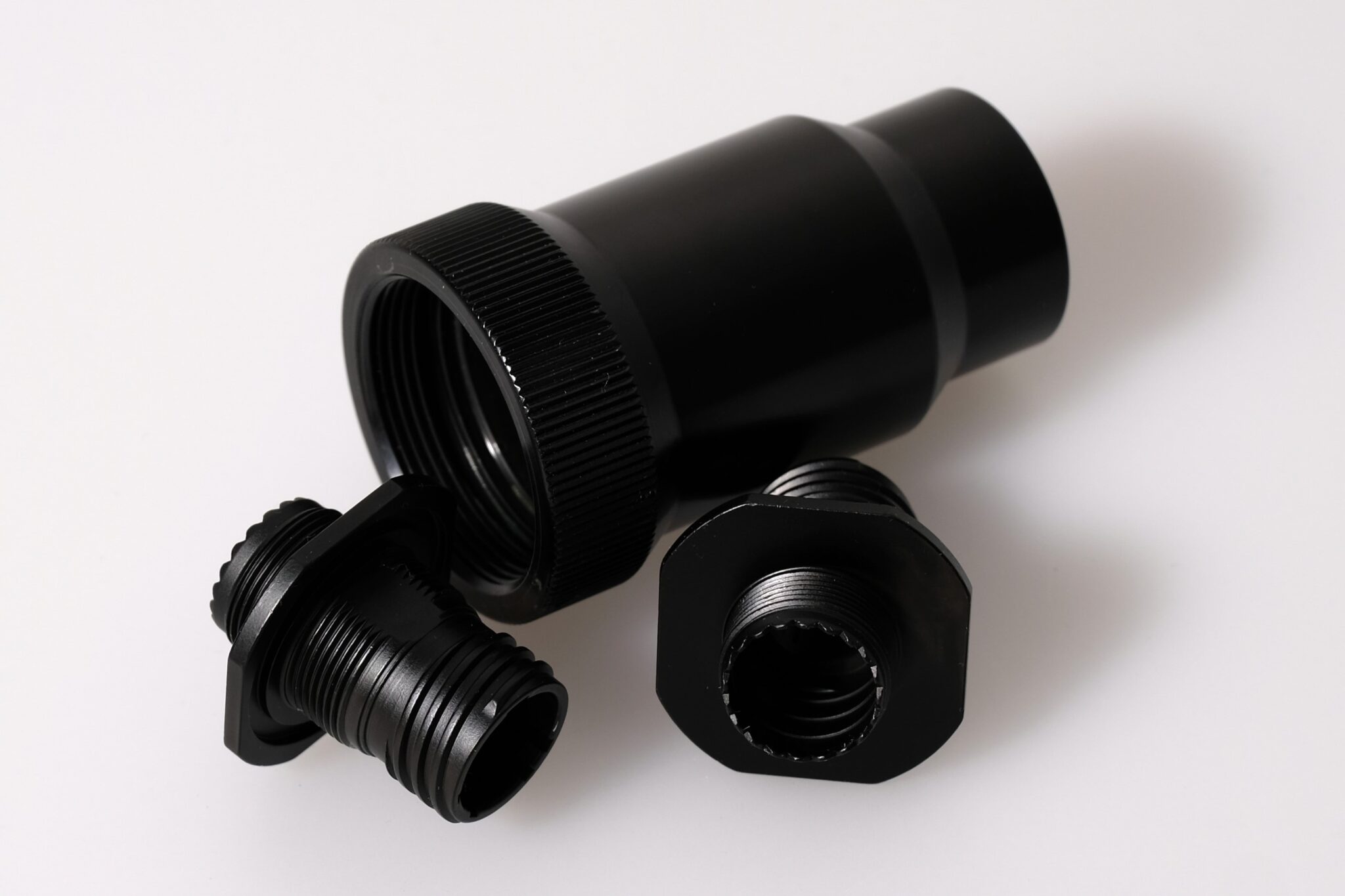
Black passivation: Matte, dark surface with high corrosion resistance. Ideal for applications requiring an unobtrusive appearance and high technical robustness – especially in the automotive sector.

Thick-film passivation: Color-neutral to slightly iridescent. Offers the strongest corrosion protection, even under extreme environmental conditions. Frequently used on safety-relevant components.

Blue passivation: Classic, slightly bluish appearance. Proven standard for many fasteners and components, offering solid protection with an economical coating.

Special passivation procedures are available upon request.

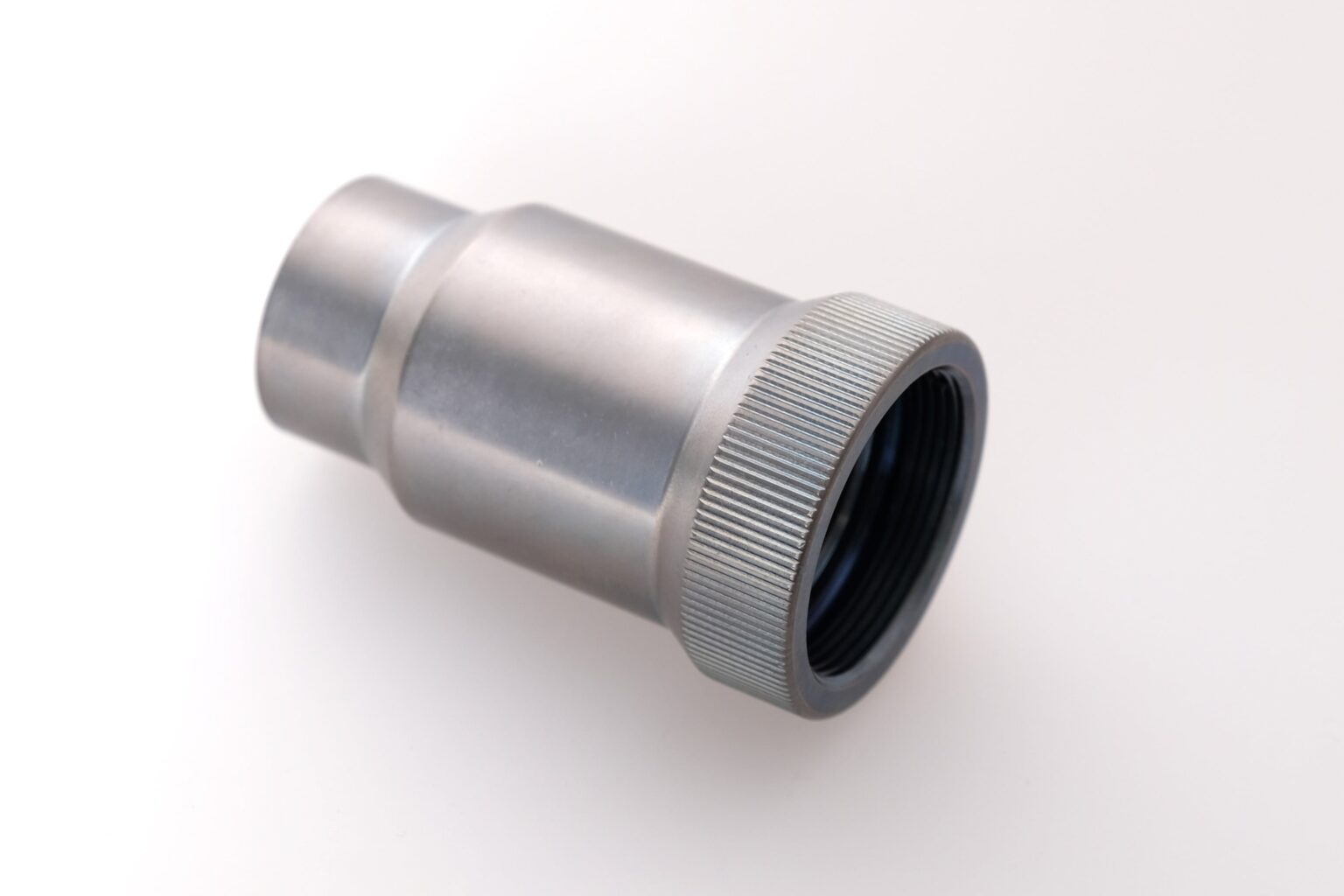
Zinc Nickel Black

Zinc Nickel Clear

Post-treatment – ​​sealing

To further enhance corrosion protection, we rely on targeted post-treatments. The surface is chemically densified in a cobalt-containing dipping solution, further increasing corrosion resistance.

A sealant can then be applied, forming a thin film over the passivation. This improves grip, reduces friction, and provides even greater resistance to environmental influences and corrosion.

Technical data / specifications

  • Possible layer thickness: Minimum 5µm, standard layer thickness is 10-15µm.
    ▸ Caution: For geometrically complex parts, the layer thickness in the outer area can differ significantly from that in the inner area.
    ▸ For aluminum parts, an intermediate layer of electroless nickel must be added.
  • Alloy composition: 12-15% nickel content. The composition can be altered by certain passivation processes.
  • Method: Frame, gentle drum (on request)
  • Maximum component size: 1000 x 725 x 300 mm.

Application areas

Zinc-nickel coatings are used wherever components must withstand high stresses and corrosive environments over the long term. Typical applications include automotive engineering, mechanical and plant engineering , electrical engineering, and fastening technology.

Screws, nuts, springs, housing parts, hydraulic components, and contact or plug connections are frequently coated. Zinc-nickel plating has proven particularly effective in the connector industry, even on aluminum parts, as it creates a uniform, conductive, and highly resistant surface without affecting the base material.

Whether for functional components or visually demanding components – our coatings offer reliable protection and consistent quality, even with complex geometries and high technical requirements.

Basic materials

We offer electroless nickel plating on the following base materials:
  • Non-ferrous metals
  • Alloyed and unalloyed steels
  • Aluminum (chemical nickel is necessary as an intermediate layer)

Zinc-nickel on aluminum

Zinc-nickel plating of aluminum requires precisely controlled processes, as the material is inherently difficult to electroplate. To achieve a permanently adhesive and uniform surface, the aluminum surface is first chemically pretreated and then coated with an electroless nickel layer. This intermediate layer ensures optimal adhesion and electrical conductivity before the actual zinc-nickel deposition.

The result is a durable, corrosion-resistant surface that combines the advantages of both materials: the low weight and good conductivity of aluminum with the high resistance and robustness of zinc-nickel.

This combination is primarily used in plug and connection technology, where reliability, contact stability and corrosion protection are crucial – even under harsh environmental conditions or in contact with different metals.