Our Services

Tin-zinc

Tin-zinc is a versatile alloy coating that combines the advantages of tin and zinc in a single process. It offers both excellent corrosion protection and good electrical conductivity , making it particularly suitable for applications where solderability, contact stability, and durability are critical.

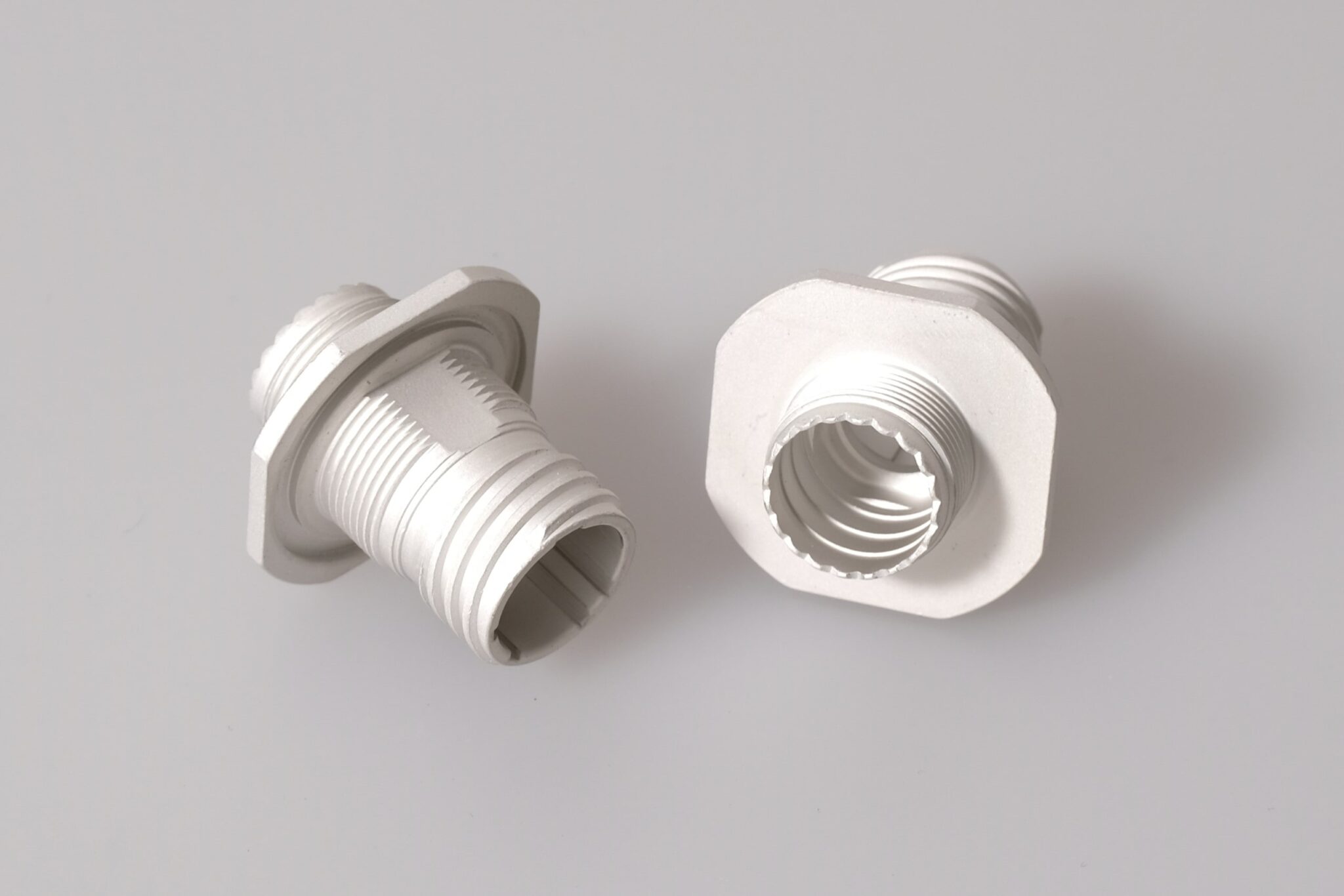
The coating is characterized by uniform layer thickness and a durable surface, even on complexly shaped components. It is ideal for fasteners, electrical contacts, and precision parts – wherever reliability, functionality, and long service life are paramount.

Post-treatment – ​​Sealing/Passivation

To further increase the grip strength and corrosion protection of tin-zinc coatings, the layers can also be passivated or sealed .

Passivation is virtually neutral in appearance and primarily serves to improve grip. It makes the surface more resistant to fingerprints, dirt, and light mechanical stress without altering the coating's fundamental properties.

The sealant is applied to the passivation layer or directly to the coating. It further enhances corrosion protection and improves surface grip. However, the sealant can slightly impair other properties such as solderability or electrical conductivity , which is why its use should be carefully considered.

Technical data / specifications

  • Alloy composition: 75% to 85% tin content
  • Good solderability and electrical conductivity
  • Very good corrosion protection
  • Low coefficients of friction and good sliding properties
  • Chemical stability in aggressive environments
  • Maximum component size: 1000 x 725 x 300 mm.

Application areas

Tin-zinc coatings are used wherever components require simultaneous corrosion protection, solderability, and electrical conductivity . Typical applications include connector and connection technology, electrical contacts, precision parts, screws and nuts, as well as the machinery and equipment manufacturing industry.

Tin-zinc can also be applied to aluminum components to create a uniform, adhesive, and conductive surface. This makes the coating particularly suitable for applications where functionality, contact stability, and durability are crucial – even on complexly shaped or hard-to-reach components.

Quality and process reliability

For tin-zinc coatings, we place the highest value on consistent coating quality and reliable processes . Every step of the coating process is closely monitored to ensure precise adherence to coating thickness, adhesion, and surface quality.

Our baths are continuously monitored and controlled according to defined parameters. In addition, we conduct regular tests for corrosion resistance, solderability, and conductivity to ensure that each batch meets the technical requirements.

This ensures that your components remain functional, reliable and visually flawless in the long term – from simple connecting elements to sophisticated precision parts.

Basic materials

  • Non-ferrous metals
  • Alloyed and unalloyed steels
  • Aluminum (chemical nickel is necessary as an intermediate layer)